
The 2026 FIFA World Cup, spanning the vast and diverse landscapes of the United States, Canada, and Mexico, has officially reached its halfway point, and it has already cemented itself as one for the history books. Prior to the tournament, pundits and purists expressed severe doubts regarding the newly expanded 48-team format. The overarching fear was that the inclusion of lower-ranked nations would severely dilute the quality of the competition, resulting in unwatchable blowouts and a lack of competitive tension during the group stages.
Quick Summary Box
- The 48-Team Format Is a Triumph: The expansion proved its fiercest critics wrong. Lower-ranked nations have brought elite tactical discipline and supreme athletic conditioning, making the group stage an incredibly treacherous minefield for traditional footballing giants.
- A Goal-Scoring Renaissance: Attackers are finding unprecedented joy. A widespread tactical shift toward utilizing inverted fullbacks has left massive expanses of space on the flanks, resulting in a surge of breathtaking, high-scoring affairs.
Most Important Results So Far
Forget the routine, expected victories; this iteration of the World Cup has been completely defined by the matches that tore up the script and set it on fire. The group stage battles were not mere formalities; they were gladiatorial arenas where legacy and historical pedigree meant absolutely nothing without flawless on-pitch execution. With the margin for error slimmer than ever, here are the pivotal clashes that reshaped the tournament landscape and sent shockwaves around the globe.
| Date | Match | Result | The Inside Story |
|---|---|---|---|
| June 11 | Mexico vs. Poland | 2 - 1 | A ferocious opening night at Estadio Azteca. El Tri rode the deafening, intimidating crowd energy to a crucial, dramatic victory. |
| June 13 | Argentina vs. Saudi Arabia | 3 - 0 | The reigning champions erased any doubts of a post-title hangover with a clinical, suffocating performance that issued a warning to the rest of the field. |
| June 15 | USA vs. Colombia | 1 - 1 | A genuinely defining moment for the USMNT. They went toe-to-toe with South American elite, demonstrating immense physical resilience. |
| June 16 | France vs. Senegal | 2 - 2 | An absolute modern classic. Senegal's explosive counter-attacks continuously exposed the French defense in a breathtaking 90-minute track meet. |
| June 18 | Germany vs. Japan | 0 - 1 | Lightning strikes twice. Japan executed a flawless defensive masterclass, plunging the German camp into an immediate state of panic and self-reflection. |
| June 20 | Brazil vs. Netherlands | 2 - 1 | A gritty, tightly contested tactical war that was ultimately won by pure Brazilian individual brilliance in the dying, desperate moments of the match. |
Every single touch matters. The intense pressure of the group stages has led to moments of spectacular individual brilliance.
Biggest Surprises and Disappointments
The beauty of the World Cup lies in its sheer unpredictability, and 2026 has delivered narratives that no pundit could have foreseen. The power dynamics of international football are shifting rapidly, and the pitch has been the ultimate equalizer.
The Fearless Underdogs Rising
The true, undeniable story of 2026 is the staggering audacity of the mid-tier squads. Teams like Japan, Morocco, and tournament debutants are not merely surviving the group stages; they are actively dictating the flow of play. Their managers have implemented highly sophisticated, aggressive high-pressing systems that completely short-circuit the traditional build-up play of European powerhouses. They are playing without an ounce of fear, treating every opponent not as a titan to be feared, but as a puzzle to be solved and dismantled.
The Fading Titans Falling
Conversely, the tournament has served as a harsh, unforgiving reality check for aging rosters and legacy systems. Belgium looks entirely disconnected on the pitch, relying far too heavily on past reputations rather than modern tactical cohesion and physical dynamism. Meanwhile, Italy has struggled severely in the final third; despite their organized defense, they lack the creative spark and sheer pace needed to unlock disciplined low-block defenses, leading to highly frustrating, stagnant performances.
Top 7 Goalscorers of the Tournament
The race for the prestigious Golden Boot is rapidly turning into a heavyweight prize fight among the world's most elite forwards. While the newly expanded format ostensibly offers more minutes on the pitch, it is the sheer, ruthless efficiency and ice-cold composure of these strikers that sets them apart from the pack. Here are the hitmen currently terrorizing defensive lines across the North American continent.
| Rank | Player | Country | Goals |
|---|---|---|---|
| 1 | Kylian Mbappé | France | 4 |
| 2 | Vinícius Júnior | Brazil | 3 |
| 3 | Julián Álvarez | Argentina | 3 |
| 4 | Harry Kane | England | 3 |
| 5 | Jamal Musiala | Germany | 2 |
| 6 | Christian Pulisic | USA | 2 |
| 7 | Victor Osimhen | Nigeria | 2 |
The speed and physicality of the 2026 tournament have demanded elite athleticism from every single player on the pitch.
Tactical Observations & Atmosphere Highlights
The Death of Slow Build-Up Play
If you closely analyze the touch-maps and passing networks of the most dominant teams in the tournament thus far, a glaringly obvious pattern emerges: slow, methodical, sideways possession is dead. The 2026 World Cup is being entirely defined by hyper-athletic, lightning-fast transitions. Midfields are frequently being bypassed altogether in favor of direct, laser-guided passes to explosive wingers who isolate defenders in one-on-one situations. Furthermore, defensive units are gambling with dangerously high lines to compress the space, creating a chaotic, beautiful, end-to-end spectacle that ruthlessly punishes any team caught dwelling on the ball for more than a second.
A Groundbreaking Cultural Phenomenon
You simply cannot discuss this tournament without acknowledging the unprecedented scale and ambition of the hosting operation. The seamless integration of American, Mexican, and Canadian fan cultures has birthed a unique, vibrant hybrid atmosphere that feels entirely new to the sport. Traditional American tailgating outside massive 80,000-seat NFL stadiums seamlessly blends with the rhythmic, hypnotic drumming and passionate, full-throated chants native to Latin American football culture. It is impossibly loud, the scale is massive, and it feels entirely revolutionary for the global game.
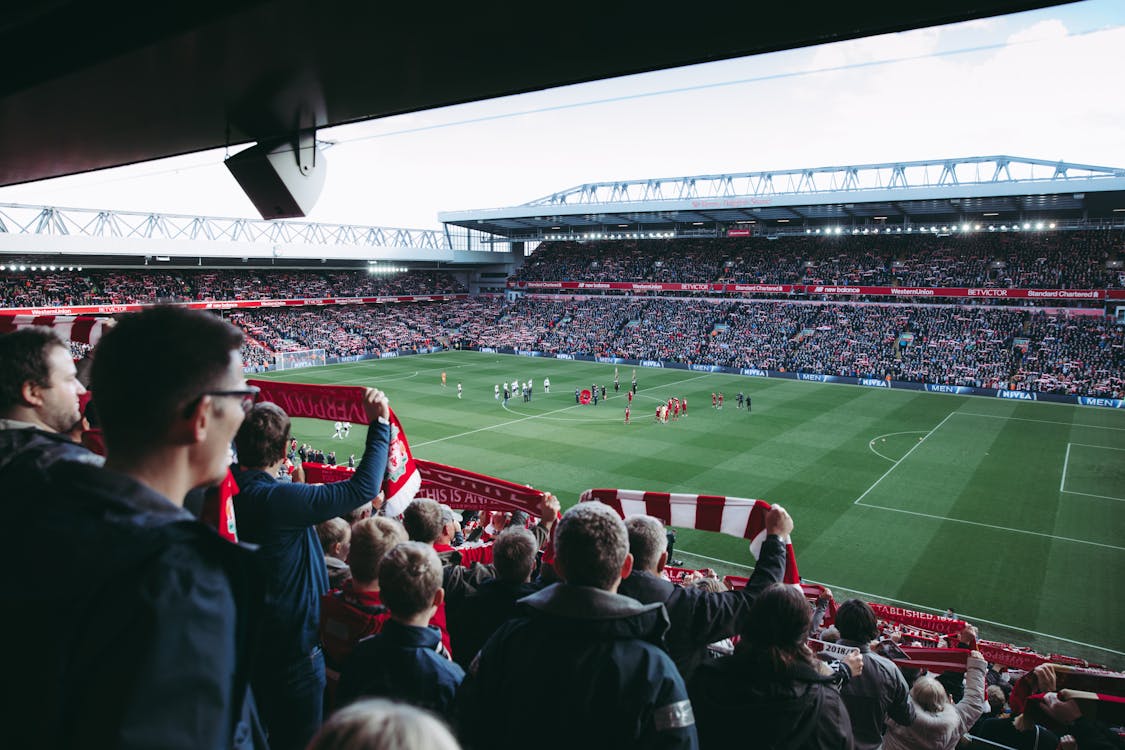
Record-breaking attendances are being recorded across all three host nations, turning every match into a global celebration.
Realistic Predictions for the Next Stage
As we violently pivot from the group stages into the sudden-death, unforgiving reality of the newly introduced Round of 32 knockout bracket, previous form goes entirely out the window. Mental fortitude, tactical adaptability, and squad depth take total precedence. Based on everything we have witnessed over the past two weeks, here is our unfiltered, realistic assessment of the true heavyweights.
Argentina
The Verdict: Genuine Final Contenders. They possess a terrifying combination of recent tournament experience and a remarkably cohesive, hard-working midfield. Lionel Scaloni's men know exactly how to manage the dark arts of knockout football, intelligently slowing the game down to close out tight, nervy matches.
Brazil
The Verdict: Unpredictable Geniuses. Offensively, their frontline is from another planet. However, their aggressive tactical setup and tendency to leave massive, glaring gaps during counter-attacks make them incredibly vulnerable. If they face a highly organized, pragmatic European side, they could easily suffer a shock exit.
France
The Verdict: Outright Title Favorites. As long as Kylian Mbappé remains healthy and firing, France possesses the ultimate footballing cheat code. Their absurd squad depth across all positions allows them to physically grind down opponents over 90—or 120—minutes.
England
The Verdict: Quarter-Final Ceiling. They are defensively robust and incredibly difficult to break down. However, their manager's distinct reluctance to unleash their world-class attacking talent early in matches might ultimately cost them when they fall behind against aggressive, top-tier nations.
Spain
The Verdict: Vulnerable Artists. They will inevitably dominate 70% of possession in every single match they play, passing opponents into submission. Yet, their recurring lack of a true, killer instinct inside the penalty box makes them highly susceptible to suffering an agonizing upset via a single counter-attack.
Germany
The Verdict: The Sleeping Giants. Never, ever judge Germany strictly by their group stage form. They are meticulously calculating, deeply pragmatic, and their entire tactical system is specifically engineered to peak exactly when the high-pressure knockout stages begin.
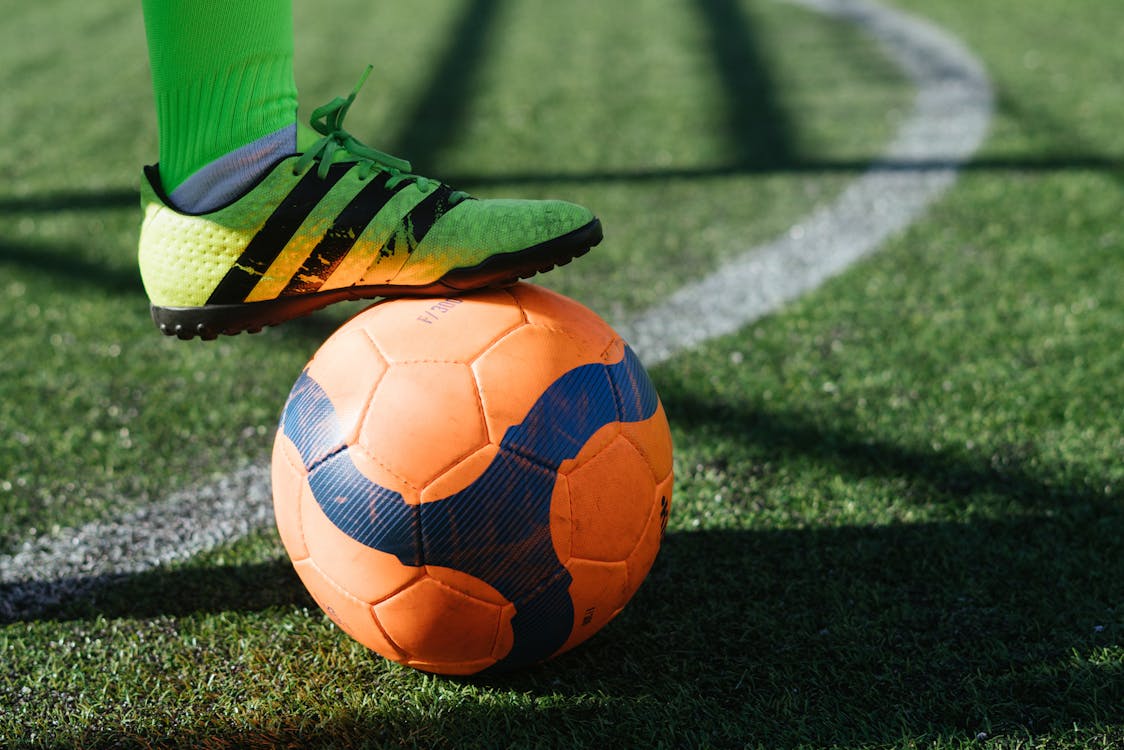
As the knockout stages commence, the margin for error disappears. Every decision, pass, and tackle could dictate a nation's destiny.
Frequently Asked Questions (FAQ)
How exactly does the new Round of 32 knockout bracket function?
Because the tournament expanded to an unprecedented 48 teams (divided into 12 groups of 4), the traditional Round of 16 was mathematically insufficient. Now, the top two teams from each group, plus the eight best third-place finishers, enter a brand new Round of 32, adding an exhausting but thrilling extra layer of knockout tension.
Is Kylian Mbappé mathematically guaranteed to win the Golden Boot?
Absolutely not. While he currently leads the pack, players like Vinícius Júnior and Harry Kane are operating in highly offensive, goal-heavy systems. A single phenomenal hat-trick in the Round of 32 by any elite striker could instantly flip the standings on their head.
Which of the three host nations looks the most dangerous?
The United States has consistently presented the most balanced, robust tactical setup. Their midfield engine room has proven it can physically disrupt elite opposition, making them the most likely host to make a deep, historic run into the latter stages of the tournament.
Has the extreme travel across North America impacted player performance?
FIFA meticulously designed highly specific regional geographic hubs for the group stage to minimize travel fatigue. However, as the knockout bracket forces advancing teams to fly across multiple time zones, raw physical stamina and squad depth will become the ultimate deciding factors between winning and losing.
What is the single biggest tactical trend we are seeing in 2026?
The absolute, unwavering reliance on rapid transitions. Teams are actively inviting pressure, purposely baiting the opponent forward to leave space behind, and launching devastating counter-attacks in under 10 seconds. In 2026, possession is no longer king; blinding speed and verticality rule the pitch.
Conclusion
The 2026 FIFA World Cup has completely rewritten the modern footballing playbook. The intense group stages served as a brutal, unforgiving filtering process—punishing the arrogant and richly rewarding the tactically disciplined. As we pivot toward the terrifying reality of the knockout bracket, the margin for error is officially zero. One errant pass, one brilliant save, or one moment of sheer magic will be the difference between eternal national glory and a heartbreaking flight home.
We are standing on the precipice of footballing history. Will a traditional superpower assert their dominance to claim the trophy, or will an unheralded nation pull off a miracle run that shatters the global hierarchy forever? The world is watching. Strap in, because the real tournament begins right now.
Comments
Post a Comment